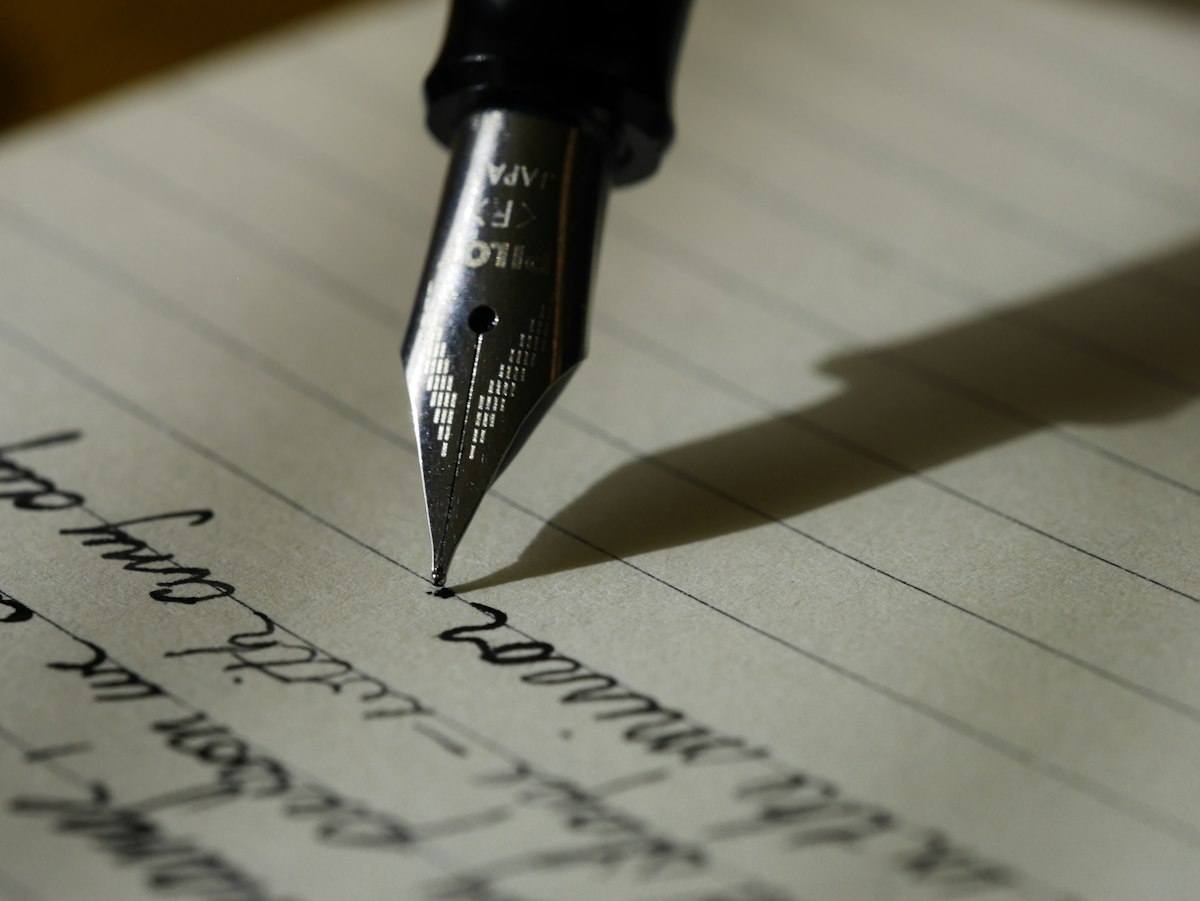
One Story.
One Wound.
One Truth.
The short story does not sprawl. It does not accumulate. It arrives, strikes, and departs — leaving something behind that was not there before. It is the most democratic and the most demanding of literary forms: anyone can begin one, but finishing one well is among the hardest things a writer can do.
"A short story must have a single mood and every sentence must build towards it."
— Edgar Allan PoeWhere the novel has the luxury of time — to wander, to digress, to let a character order breakfast in exquisite detail — the short story has only the essential. Your task is to discover what is essential to your particular story and cut everything else without mercy or nostalgia.

Every Great Story
Is Built From These
Who is telling this story, and from how far away? POV is not a technical choice — it is the whole emotional posture of the work. First person is intimacy; third is range; second is confrontation.
The sound of your prose on the page. Voice is what makes a story unmistakably yours. It is rhythm, diction, what a narrator notices, what they don't, what they judge, what they love without saying.
Not action — tension. The feeling that something important might not go well. It lives in every scene, even quiet ones. A story without tension is a story the reader will set down and forget to pick up again.
Your protagonist must want something. They must face something that threatens that want. Their response to that threat tells us who they truly are — not who they think they are or who they perform being.
Place is never just backdrop. The physical world of your story exerts pressure. It weathers, reveals, and contradicts your characters. Let the setting do emotional work — it costs you nothing and earns everything.
The best short stories are held together by a central image — something concrete and specific that carries the entire weight of the story's meaning. Find your image and you've found your story.
The musicality of your sentences. Short sentences create urgency. Long ones create immersion, an underwater feeling of time stretching. Great writers vary their sentence length the way composers vary tempo.
The ending is a promise fulfilled — not necessarily happily, but inevitably. It must feel earned by everything that came before and yet still carry a note of surprise. The last line is the story's heartbeat.
Seven Tips
For the Craft
These are not rules — literature has no rules worth keeping. They are hard-won observations, the condensed residue of reading thousands of stories and asking what made the good ones good and the great ones unforgettable.
-
I
Begin in the Middle of Things
Resist the urge to set the scene. Drop your reader into a moment already charged with significance. The reader does not need to be eased in — they need to be caught. Trust them to catch up. Background can be woven in; an opening can never be unwoven.
In medias res -
II
Earn Every Detail You Keep
In a short story, every detail must earn its presence. If you mention a scar on a character's hand, that scar must mean something. If you describe the weather, the weather must be doing emotional work. Decoration is the enemy of the form.
Economy of language -
III
Write What You Cannot Say Directly
The greatest stories approach their real subject sideways. If your story is about grief, write about clearing out a kitchen. If it is about love, write about driving someone to an airport. The oblique approach arrives harder and stays longer.
Subtext & approach -
IV
Let Your Characters Surprise You
If you always know what your character will do, they are not characters — they are puppets. Write into the uncomfortable moment where you don't know. The truth of a character lives at the boundary of your own certainty about them.
Character discovery -
V
The First Draft Is Excavation
Do not edit as you write. The first draft is not a performance — it is a search operation. Write too much, write messily, write the wrong thing until the right thing appears beneath it. The story is already there; your job is to find it.
The drafting process -
VI
Read Your Work Aloud
The ear catches what the eye misses. A sentence that looks fine on the page will reveal its awkwardness the moment you speak it. Any sentence that trips your tongue is a sentence that trips your reader's inner ear. Read it aloud. Fix what stumbles.
Revision technique -
VII
Cut the Last Paragraph
Writers almost always write one paragraph too many. The impulse is to explain, to make sure the reader understood, to land the plane carefully. Resist it. Cut the last paragraph. The story almost certainly ends more powerfully one beat earlier than you think.
The ending

The Pre-Writing
Questions
-
Whose story is this, really?
Not who appears most — who has the most to lose by the story's end?
-
What is the central image?
One concrete object or moment that holds the emotional weight of the whole.
-
What has already happened?
The story begins after something has shifted. Know what that was before page one.
-
What is your last line?
Not literally — but what is the emotional note the story ends on? Work backwards from there.
-
Why this story and not another?
If you cannot answer this, your reader will feel it. Find the urgency or find a different story.
Six Pitfalls
That Sink Stories
Every experienced writer has fallen into each of these at least once. Recognizing them is the first step to writing around them — or, when necessary, writing through them to something true on the other side.
Telling Instead of Showing
Telling the reader how to feel relieves them of the pleasure of feeling it themselves. Show the gesture, the weather, the specific object. Let the emotion arise in the reader — don't name it for them like a caption.
Starting Too Early
Most first drafts begin two scenes before the actual story does. The real story starts when something has already changed, or is on the verge of changing. The waking up, the getting dressed — cut it all.
Characters Who Only React
A character who is only acted upon is not a character — they are a plot device. Your protagonist must want, decide, act. Even in a quiet story, agency is non-negotiable. Passivity is not depth.
The Explained Metaphor
If your story is about loneliness and you have a character say "I feel so alone," you have just destroyed your own metaphor. Trust the image. Trust the reader. The moment you explain your symbol, it ceases to be one.
Writing the First Idea
The first idea is never the best one — it's the most obvious one. List seven possible approaches to your story. The seventh is probably the most interesting. Resist the tyranny of the initial impulse.
Endings That Resolve Too Cleanly
Life rarely resolves. Great short stories end in revelation, not solution. Something shifts in the character's understanding — or the reader's. That is enough. You do not need to tie every thread. Leave some ends loose, and breathing.
"A story should be a river — not a pond. Always moving. Always carrying something forward, always arriving somewhere new."On the movement of fiction
-
❦
Read Widely, Read Slowly
The writers who matter most to you will teach you more about your own voice than any guide. But read slowly. When a sentence stops you — when you feel something shift in your chest — stop and ask why. Reverse-engineer it. Steal the technique, not the words.
-
❦
Specificity Is the Soul of Prose
Not "a car" but "a rusting Datsun with a broken aerial." Not "she was sad" but "she folded the letter four times until it was too small to fold again." The general creates distance; the specific creates intimacy. Always choose the specific.
-
❦
The Story Knows More Than You Do
There is a moment in every good piece of writing where the story reveals something that the writer did not consciously plan. This is the goal. Write toward this moment. When it arrives, follow it — even if it means dismantling everything you built to get there.
-
❦
Revision Is the Real Work
The first draft is proof that the story exists. Revision is the actual writing. Most writers revise ten to twenty times. This is not failure or slowness — it is the process. The willingness to revise is what separates those who write stories from those who have written them.
-
❦
Write the Story Only You Could Write
There is no shortage of well-crafted, technically accomplished stories in the world. What is always scarce is the story that could only have been written by one person — the story that carries the particular weight and angle of one life and one mind. That story is yours. It is waiting.